










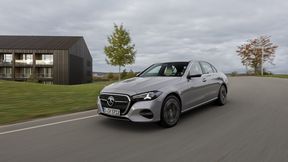




Field Test Mercedes C-Class: What the Facelift Brings to the Gasoline Model
Mercedes has significantly redesigned the C-Class halfway through its product cycle. Compared to its recently unveiled all-electric sibling, the 206 series retains a significant advantage.
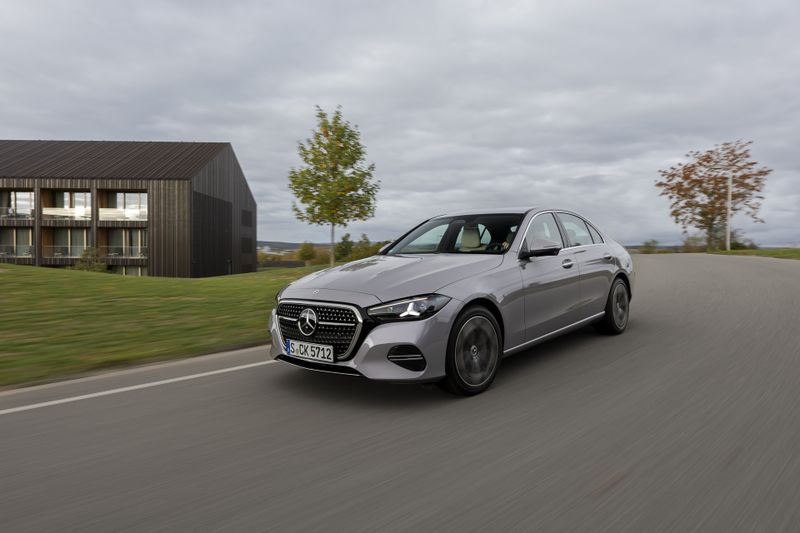
The door clicks shut, and the blond business traveler leans back in his 190, breathing a sigh of relief. Thirty-six years ago, Mercedes staged this final scene in a commercial set at a bustling airport in North Africa. Voiceover: “Welcome home.” Mercedes is now evoking precisely this promise of the first “Baby-Benz” with the redesigned C-Class, model series 206. After all, internal-combustion engines still have a lot to defend, especially in the business car segment. Since 1982, Mercedes has sold twelve million of these midsize cars.
Sign in or register and read on
Please log in or register and read this article. To be able to read this article in full, you must be registered. Free registration gives you access to exclusive specialist information.
Already registered? Log in here