











Surface Treatment Protecting the Corrosion Resistance of Stainless Steel
Related Vendor
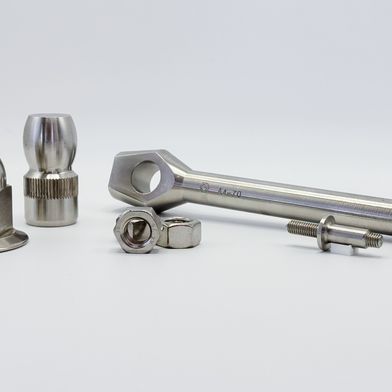
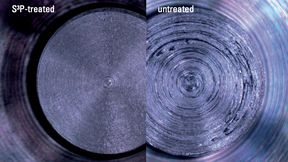
Improving the service life of stainless steel has never been easy. The challenge lies in increasing its hardness without compromising the alloy’s corrosion resistance. To address this, Bodycote has developed a low-temperature, diffusion-based surface hardening process.
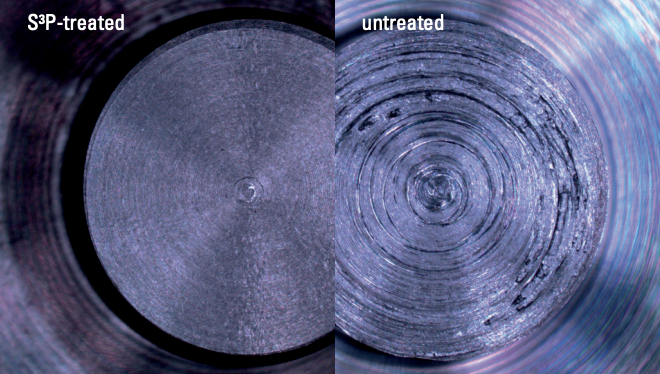
Stainless steel is valued in numerous industrial applications due to its corrosion resistance and hygienic properties. From oil and gas infrastructure to food processing plants and medical devices, it offers a reliable balance between mechanical performance and environmental resistance that few other materials can match. In many demanding environments, however, wear, seizing, cavitation erosion, and cyclic loading often become the decisive factors affecting reliability and maintenance intervals.
To address these issues, coatings have traditionally been applied, or components have been oversized to extend their service life. However, these measures can lead to additional costs, complexity, contamination risks, or reduced corrosion resistance. Developers are therefore asking themselves: How can the overall service life be improved without sacrificing the very properties that made stainless steel the material of choice in the first place?
Sign in or register and read on
Please log in or register and read this article. To be able to read this article in full, you must be registered. Free registration gives you access to exclusive specialist information.
Already registered? Log in here