










Charging Technology Wireless Charging Without Induction
Related Vendors


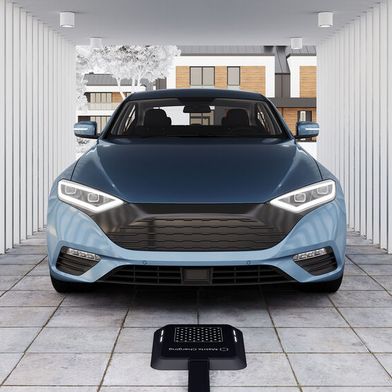
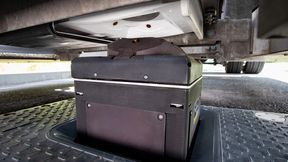
Conductive charging is intended to eliminate the need for a cable and be more efficient than the inductive method. In addition to Easelink, the Fraunhofer IVI is working on a second standard.
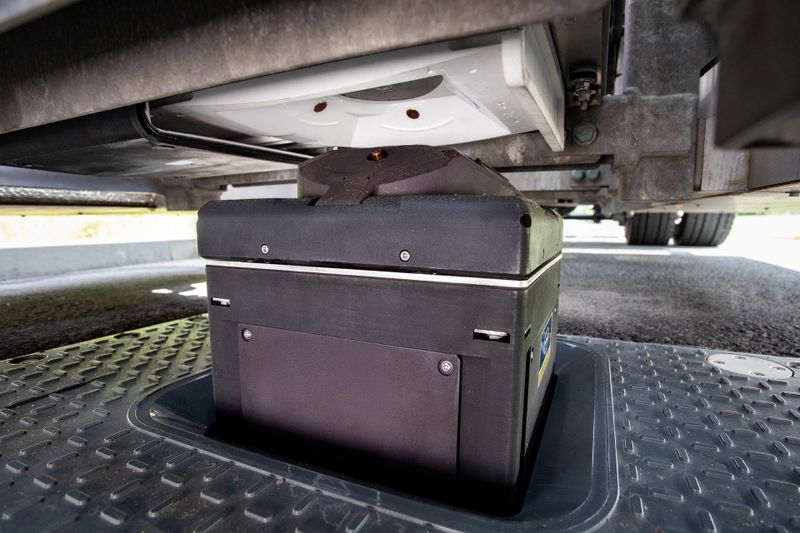
Charging the battery via cable still has its drawbacks: cable theft, significant power transmission losses at the desired high charging rates, and the associated need for complex water-cooled systems reduce the efficiency of this infrastructure model. Added to this is the somewhat cumbersome handling of the charging cables and a certain anachronism if, in the future, dedicated charging personnel were to be required to charge an autonomous, unmanned vehicle.
Sign in or register and read on
Please log in or register and read this article. To be able to read this article in full, you must be registered. Free registration gives you access to exclusive specialist information.
Already registered? Log in here